You can contact us with the problem you are having and we will investigate.
Stripe Online Payments
Sellingantiques have now partnered with Stripe card processing to give you a seamless purchase experience of antiques on sellingantiques.
Millions of companies of all sizes use Stripe online to accept payments and is the worlds No.1 payment gateway.
So how does it work: Look for the button in the antique details page to instantly purchase antiques from dealers who have activated Stripe online payments.
You can now easily filter and show antiques that only have this option enabled.
Using this button notifies us immediately that you have purchased this item. Once you have made the payment we will instantly mark it as sold to ensure that no one else can buy it.
Discounts can also be made available.
We are always improving the purchase experience for both buyer and seller and more and more dealers are enabling this option each week.
Shipping: UK £6EEA Area £6North America £6Worldwide £20
Item Number:SA1228646 Date of manufacture:19th Century Current Status: For sale Seller:Opus Antiques
This antique has been viewed 15 times in the last 24 hours and last viewed 2 hours's ago.
Purchase Item # SA1228646 Now direct from Opus Antiques.
Opus Antiques can accept payment for this antique via Credit / Debit card, Amex or Google Pay
£135
PURCHASE ANTIQUE
Your credit card is processed securely by Stripe Inc.
Description
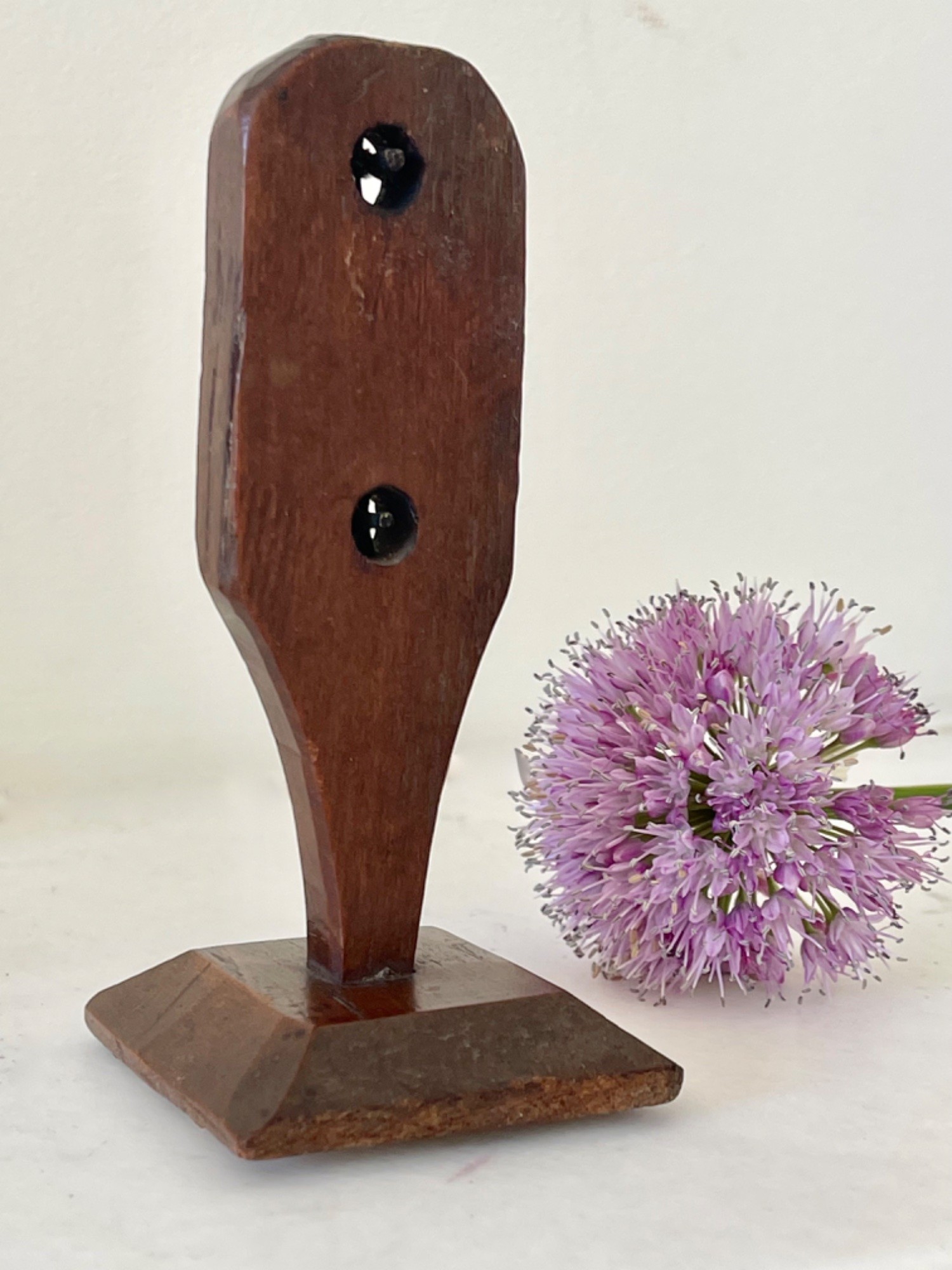
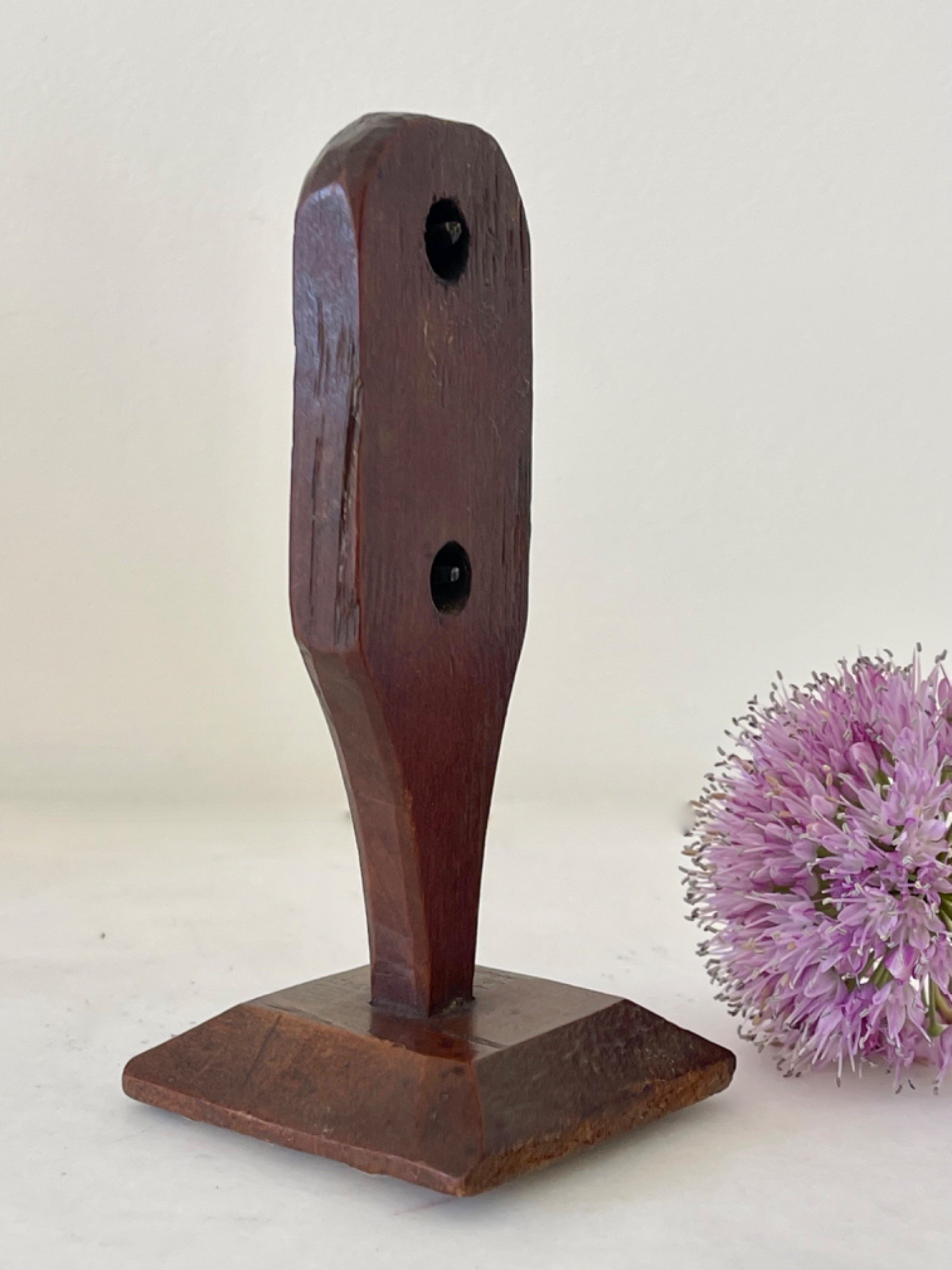
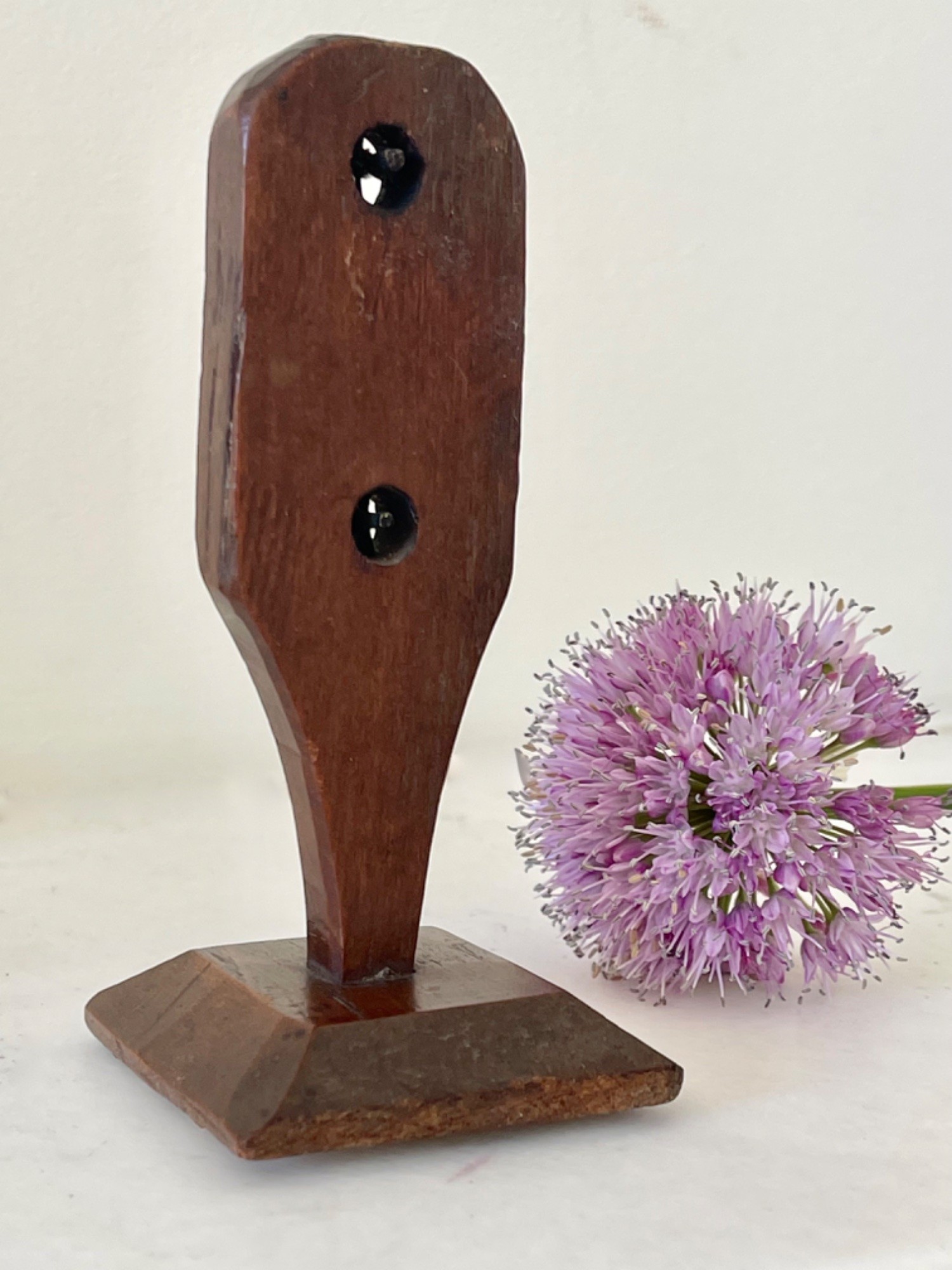
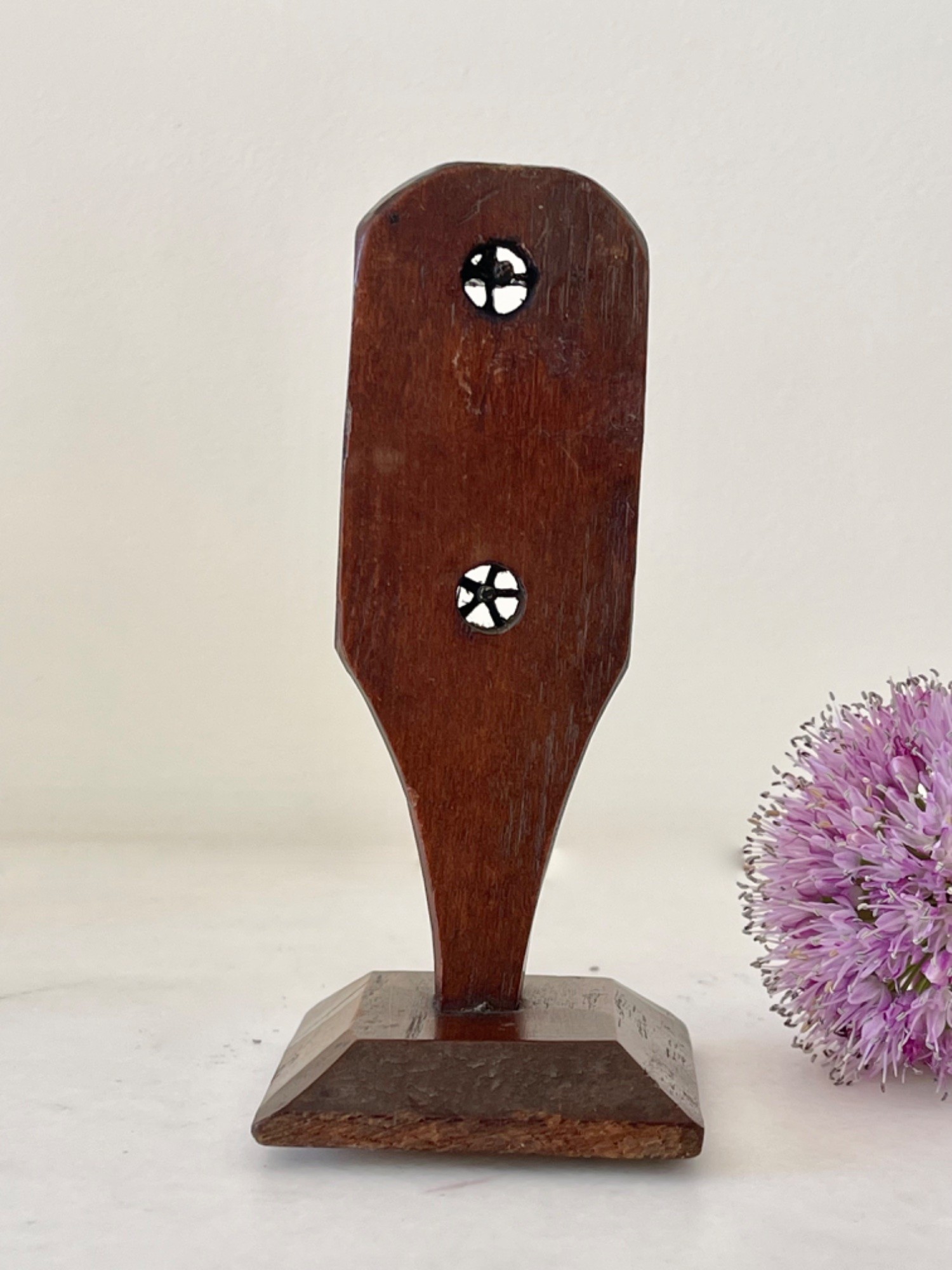
This is a 19th century straw splitter, with two different blade sizes, 5 and 4. An old owners label is on the underside of the base. It measures 11cm h x 4.7cm w. There have been many different English men, (at least half a dozen), who claim to have invented the humble straw splitter. But it is now widely accepted that it was invented by a French Prisoner of War whilst in England, documents refer to it being invented at Yaxley Barracks near Stilton around 1803-1806. It was a fantastic tool for splitting straw, rather than by using knives, which was laborious and inconsistent and not possible to cut it very fine. The straw splitter is a very simple tool consisting of circular central pins from which small knives or blades radiated out, from three to ten blades., like spokes. The central pin was used as a guide and a dampened straw was pushed through the blades where it was sliced into thin slithers. After splitting, the straw would be flattened by rollers so that it would then be ready for plaiting. The prisoners would use both the shiny yellow outside of the straw or the white inside of the straw or alternate between the two. This little invention enabled the French Prisoners to produce very fine plait which in turn was used to make very skilful straw boxes, cabinets etc. which were in very high demand at the time. This is a 19th century straw splitter, with two different blade sizes, 5 and 4. An old owners label is on the underside of the base. It measures 11cm h x 4.7cm w. There have been many different English men, (at least half a dozen), who claim to have invented the humble straw splitter. But it is now widely accepted that it was invented by a French Prisoner of War whilst in England, documents refer to it being invented at Yaxley Barracks near Stilton around 1803-1806. It was a fantastic tool for splitting straw, rather than by using knives, which was laborious and inconsistent and not possible to cut it very fine. The straw splitter is a very simple tool consisting of circular central pins from which small knives or blades radiated out, from three to ten blades., like spokes. The central pin was used as a guide and a dampened straw was pushed through the blades where it was sliced into thin slithers. After splitting, the straw would be flattened by rollers so that it would then be ready for plaiting. The prisoners would use both the shiny yellow outside of the straw or the white inside of the straw or alternate between the two. This little invention enabled the French Prisoners to produce very fine plait which in turn was used to make very skilful straw boxes, cabinets etc. which were in very high demand at the time. The paddle straw splitter dates from around 1830-40 and should be remembered for their importance in the straw plaiting industry. Own a piece of history
Declaration
This item is antique. The date of manufacture has been declared as 19th Century.
Thank you.
Your comment has been sent to Sellingantiques.